Leadflow Collective builds websites and local SEO for businesses in Silver Plume, Colorado. We are based in Fraser, over the divide, and we build small, fast, findable sites for the handful of businesses working at the upper end of the Clear Creek canyon. Because the town itself generates very little search volume, we aim the work at corridor-wide and service-specific searches instead.
the honest version of a very small market
Silver Plume is tiny. Almost nobody types the town name into a search bar in a given month, and pretending otherwise would be the first step toward selling you something that does not work.
That does not mean a website is pointless here — it means the target is different. Your realistic customers are people already moving through the canyon, visitors researching the historic corridor as a single destination, and anyone within a reasonable drive searching for the specific thing you sell.
So the plan is to build for services and for geography wider than the town line, while making your Silver Plume location a point of character and credibility rather than the keyword you are chasing. That is a genuinely different site from what an agency would produce if they had never looked at the actual numbers.
sharing a market with the town next door
Being adjacent to a better-known neighbour is normally treated as a disadvantage. Online it is closer to a gift, because search engines already understand the two places as part of one small cluster and visitors researching one will read about the other.
The practical move is to be genuinely useful to someone planning a trip to the wider historic corridor, not just to your own doorstep. Content that helps a visitor plan the whole stop — what to see, how long it takes, what is open when, how the two towns relate — earns links, gets read, and puts your business in front of people who had not heard of you.
It also means being unambiguous about where you are. Visitors routinely conflate nearby towns. Stating the exit, the drive time and the relationship in plain language removes a real source of lost customers.
small site, done properly, beats big site done badly
A business here does not need twenty pages. It needs four or five that are excellent: what you do, proof that you do it well, practical details a visitor needs, and an obvious way to get in touch.
Small sites have real advantages. They load fast, which matters on canyon connections. They are cheap to keep current, which means they actually stay current. They concentrate whatever search authority you have rather than spreading it across pages nobody reads. And there is nowhere for a visitor to get lost.
The failure mode we see is a small business paying for a large site, then never updating it, so within two years it is a slow, inaccurate liability. We would rather build you something you can maintain in ten minutes a month.
what search engines and ai need from you
For a business this size, the entire game is being unambiguous. Any system trying to understand you should be able to answer five things in seconds: what this is, what it does, where it is, who it is for, and how to reach it.
That means the business name in text and not only in a logo. Hours written out, with seasonal exceptions stated. The town, the county and the corridor named in the copy. Services listed as services. A short set of real questions with direct answers. Structured data that says the same things in machine-readable form.
Do that and you will be described accurately by Google, by AI assistants and by a visitor skimming on a phone. Skip it and all three will guess, usually badly. There are no guarantees about rankings or AI mentions, and anyone offering them is not being straight with you — but being unreadable is a guaranteed loss.
who you are actually competing against
Not the businesses next door. Your real competition is the enormous volume of generic travel and tourism content that sits above every small business in this corridor, and the metro-area companies that will happily drive up for a job.
You beat the travel content by being specific and by being the actual business rather than an article about the area. You beat the metro companies on responsiveness, local knowledge and the fact that you are already here — but only if your website makes that obvious. A vague site loses to a polished out-of-town competitor even when you are the better choice.
That is the argument for putting real effort into a small site: it is the only place where your genuine advantages get stated.
websites
Four or five excellent pages, built to load instantly and stay accurate without a developer.
lead generation
One obvious next step per page and a contact path that works on a weak canyon signal.
local seo
Corridor-wide and service-specific targeting instead of a town name with almost no volume.
ai automations
Automatic replies so an enquiry never sits unanswered for two days.
what we can build here
Business types this suits at the top of the canyon. Capability, not a claimed client list.
Lodging & short stays
Honest photography and a direct booking request for travellers deciding tonight.
Food, coffee & retail
Current hours and a page that loads before someone decides to keep driving.
Trades & property care
A service area covering the whole canyon, stated in words rather than implied.
Recreation & guiding
Access, seasons and conditions written for people coming up from the metro.
Arts, crafts & makers
Work shown properly, with a way to buy or commission after the visit is over.
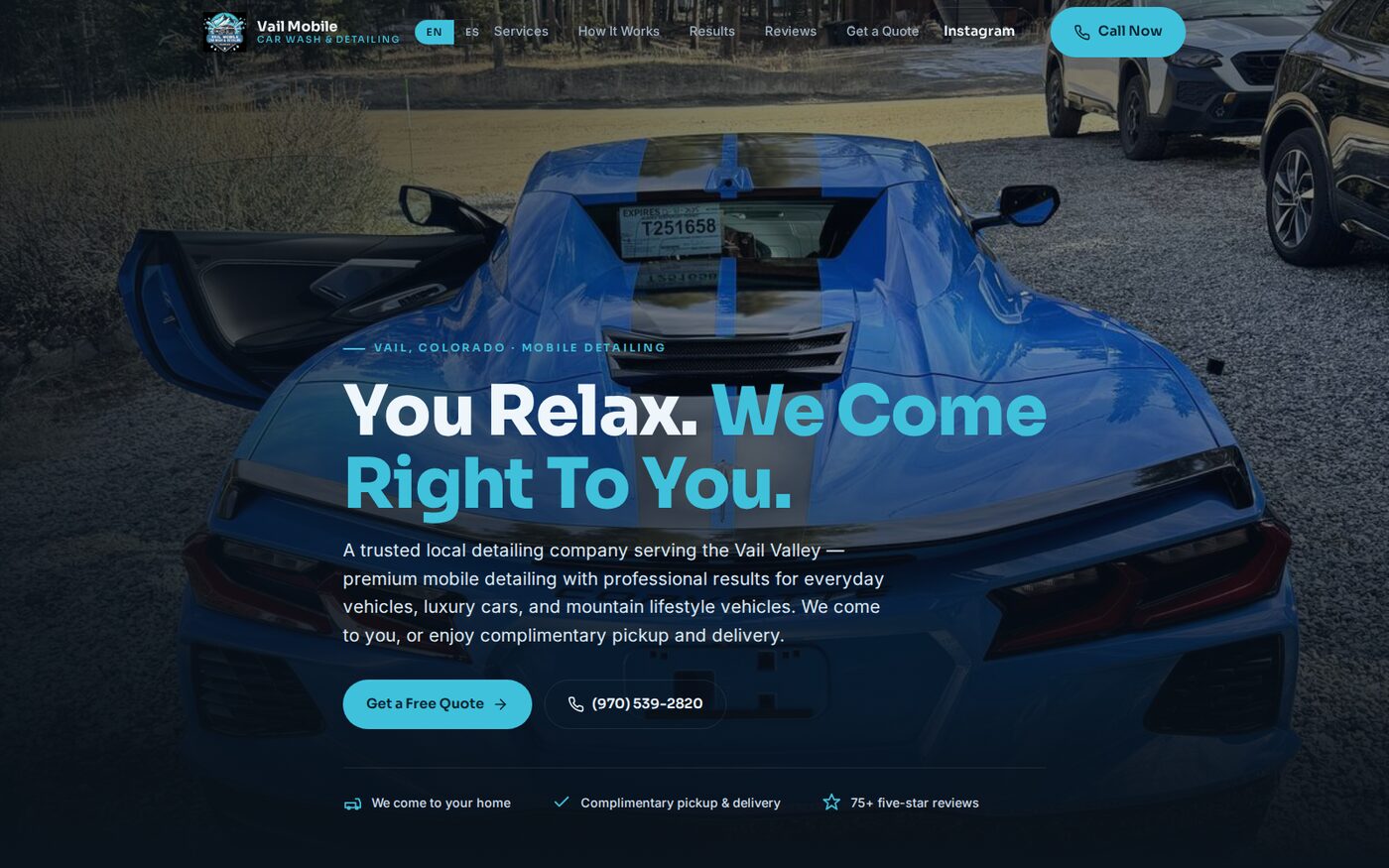
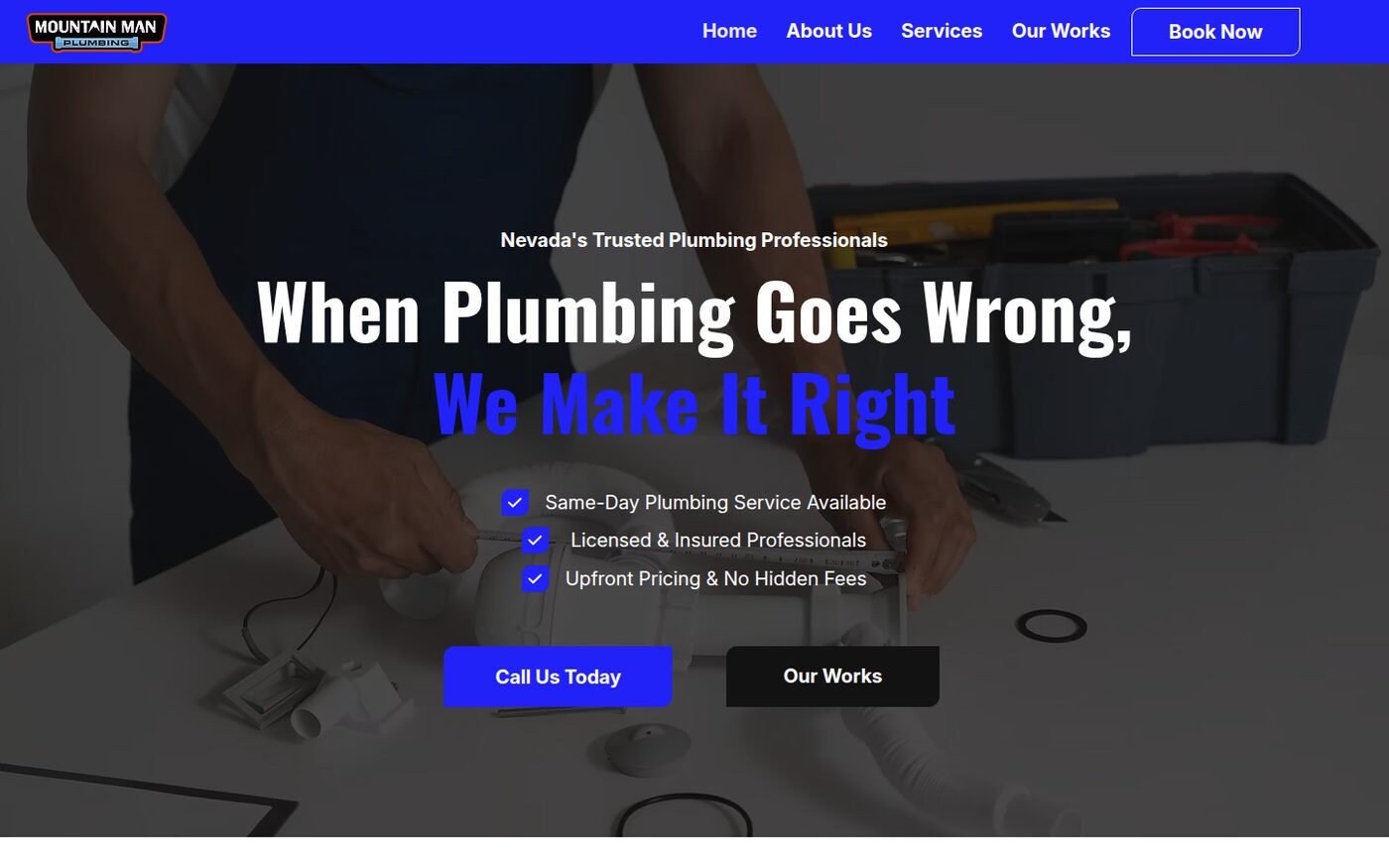
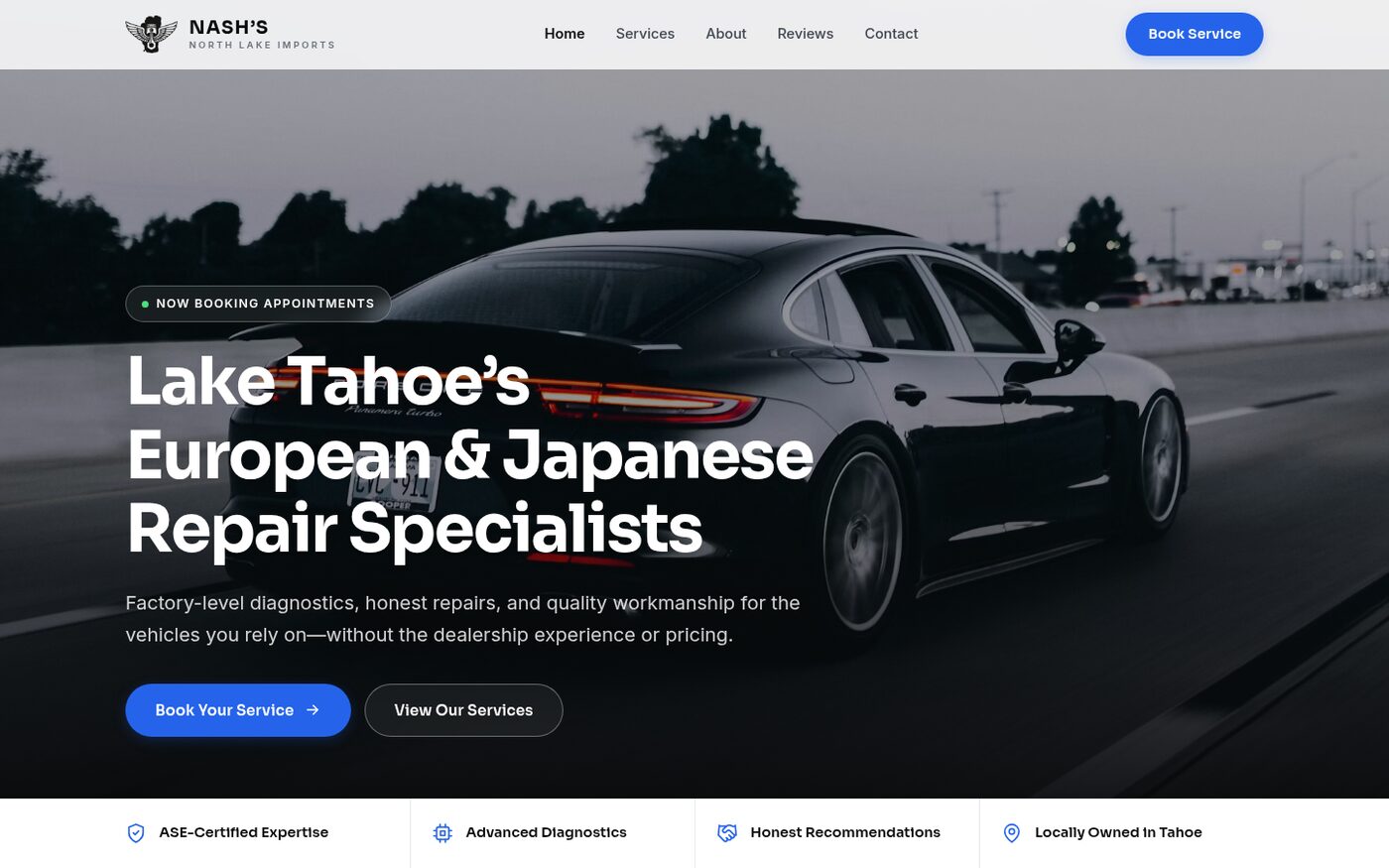
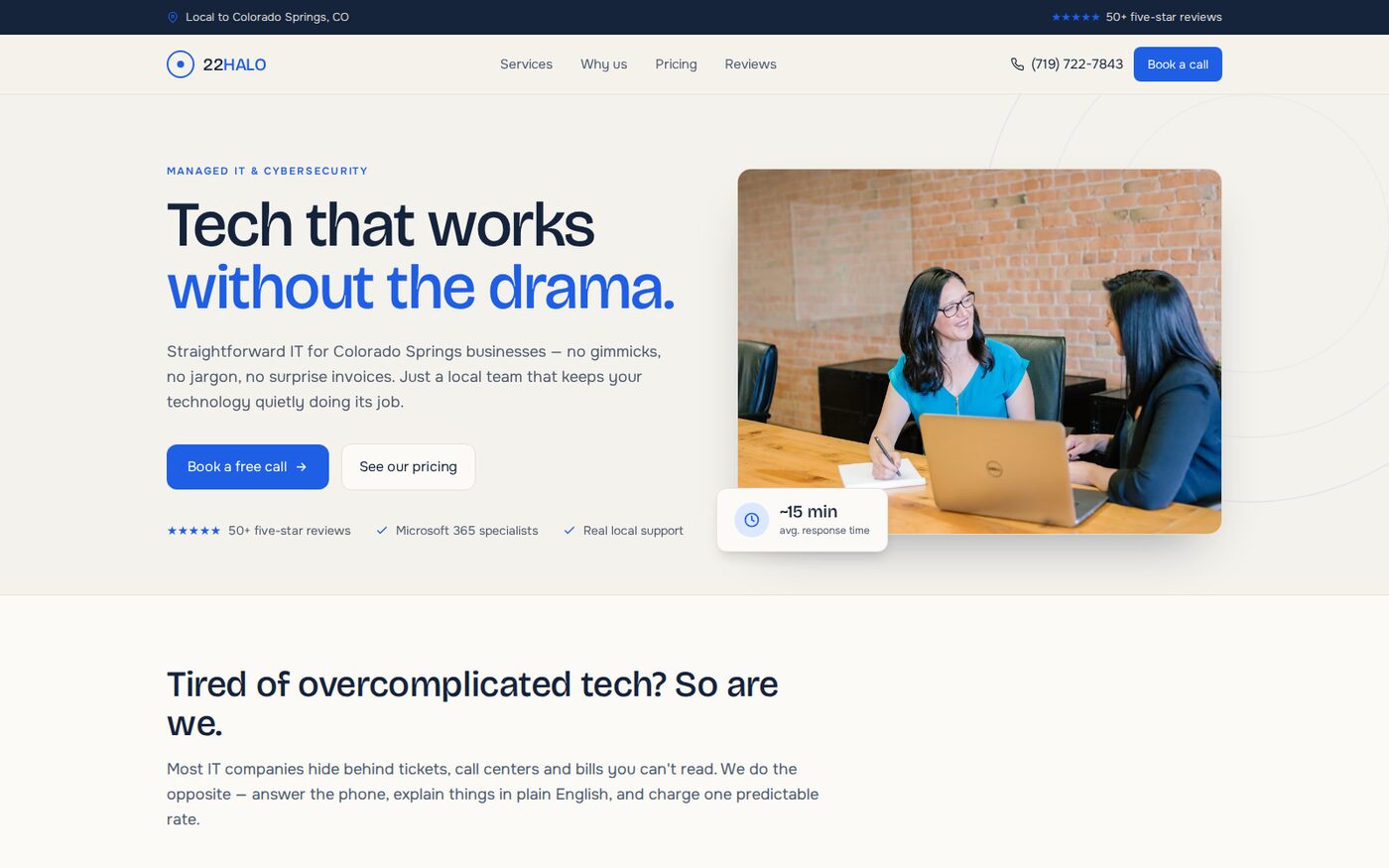
real sites for real businesses. every one from scratch.
( real client sites, built the same way )

silver plume web design questions
Does Leadflow Collective work with Silver Plume businesses?
Yes. We are based in Fraser, over the divide, and we build websites and local SEO for businesses throughout the Clear Creek corridor including Silver Plume.
Is SEO worth it for a town this small?
Not if it is aimed at the town name — there is very little volume there and we will tell you so.
It is worth it aimed at your services and at the wider corridor, where there is real search demand and weak competition among local businesses.
What is the smallest useful website?
Usually four or five pages: what you do, proof, practical visitor details, and contact. Done well that outperforms a twenty-page site nobody maintains, and it costs less to build and run.
My customers mix me up with the next town over. Can the site fix that?
Partly, and it is worth doing. Stating the exit number, the drive time and your relationship to neighbouring towns in plain language removes a surprising amount of confusion and a few lost customers a month.
Will you make me sign a monthly contract?
No. If you want ongoing SEO work we can do it, and if you want a good site with nothing recurring beyond hosting and maintenance, that is a completely reasonable choice.
Can you take photos of my business?
Yes. We can come up and shoot the building, the work or the product. Real photography is one of the highest-return things a small business can invest in online.
Do I own the site when it is done?
Yes, and your domain stays registered in your name. If a previous developer holds it, we will help you take control before launch.
the rest of the canyon
Towns along Clear Creek and over the pass.
Somewhere else in the state? The Colorado web design service area page lists every town we build for.