Leadflow Collective builds websites, local SEO and lead generation for businesses in Idaho Springs, Colorado. We are based in Fraser, in Grand County, and we work with the restaurants, outfitters, lodging, retail and trades businesses along Clear Creek and the I-70 corridor. The work is aimed at capturing high-intent travel searching before a car reaches the exit.
the most valuable thirty seconds in colorado
There is a window, somewhere between Golden and the Twin Tunnels, where a carload of people decides whether they are stopping. It lasts about half a minute, it happens on a phone, and it is worth more to Idaho Springs businesses than any other moment in the customer journey.
What wins that window is not brand awareness. It is being the fastest, clearest answer to a specific query — food, coffee, rafting, hot springs, brewery, gas, something to do with kids. The winner is usually whoever combined a strong Google Business Profile with a page that loaded instantly and told the truth about hours.
Almost every business here is competing for that window whether they realize it or not. Very few have built anything specifically for it. That is the gap, and it is the most profitable thing we can fix on a site in this town.
high traffic does not mean easy search
Idaho Springs has more passing volume than almost any mountain town in Colorado, which attracts a lot of competition for the obvious searches. Travel publishers, aggregators, activity marketplaces and metro-based operators all target this corridor, and several of them have serious budgets.
You will not win "things to do near Denver." You can absolutely win the narrower, higher-intent searches underneath it: a specific kind of trip, a particular menu item people drive for, a service with a real problem attached, a question nobody else has bothered to answer properly.
The other winnable ground is the local one. Behind the visitor economy there is a real year-round town with homes, businesses and property that need trades, repair, professional services and contractors. That demand is steady, far less contested, and mostly ignored by everyone chasing tourists.
rafting, seasons, and the cost of a slow page
Recreation businesses here live and die by a short, intense window, and their websites are under the most load exactly when they matter most. A page that is fine in April can fall over in July.
There is also a specific behavioral pattern worth designing for: people book activities from the car, from a hotel, from a parking lot, often on poor signal, often with several tabs open comparing operators. Whoever makes booking easiest usually wins, and "easiest" almost always means fewest taps and no surprises.
So we build for the worst realistic case rather than the best. Lean pages that render fast on bad connections. Pricing and duration stated before anyone has to ask. Availability visible rather than requested. A booking path that survives being used one-handed while somebody's kids are shouting.
local seo that covers both economies
The foundations are the same whether you serve visitors or residents. A Google Business Profile with the correct primary category, accurate seasonal hours and current photography. Consistent business details everywhere. A real page for each thing you sell. Fast loading. Internal links that connect the pages logically. Structured data describing the business and its service area.
Where it differs is emphasis. Visitor-facing businesses live or die on reviews, photos and proximity signals. Resident-facing businesses live on service pages with genuine depth — the page that explains what a repair actually involves will pull work for years.
Most sites here do one and neglect the other. If your business has both sides, the site should be built with both, clearly separated, rather than blending them into one confused homepage.
being the business ai assistants can actually name
Trip planning has moved. People ask an assistant where to eat on the way up, which rafting company to use, what is open late. Those answers get built from web content the model can read and verify, and they increasingly replace the browsing that used to happen.
Businesses get included when their facts are plain and findable: what they are, where they are, when they are open, what they charge in general terms, what makes them different, and clear answers to common questions. Businesses get skipped when all of that lives inside images, PDFs and social posts.
We write and build for that directly — plain statements, descriptive headings, real question-and-answer content in customers' own phrasing, HTML that renders without scripts, and structured data matching the page. It is the same work that makes a site good for humans, which is why it is worth doing regardless of what any particular AI system decides to say. And no, nobody can guarantee it will recommend you.
turning attention into a transaction
Being found is the cheap half. The expensive half is what happens next, and this is where most sites in the corridor leak badly.
Common failures: a menu that is a PDF, so it takes ten seconds to open on a phone and cannot be read by search engines. Hours that are wrong in shoulder season, which produces a bad review from someone who drove up. Booking that requires a phone call during business hours from people who are on the road. No price signal at all. No parking information in a town where parking is the visitor's first anxiety.
Fixing those is unglamorous and it moves revenue immediately. A tappable phone number, an HTML menu, honest hours, visible pricing structure, an obvious booking path and a sentence about parking will outperform a redesign that only changes how things look.
websites
Built to load and convert in the thirty seconds someone spends deciding whether to take the exit.
lead generation
Bookings, tables and quote requests captured from a phone in a moving car.
local seo
Two strategies in one site: visitor intent and the steady year-round resident work.
ai automations
Instant replies during the hours nobody can get to a phone.
who this is built for in idaho springs
Business types this approach suits. A description of the work, not a claim about local clients.
Rafting & outfitters
Trip pages with duration, difficulty and price structure, plus booking that survives bad signal.
Restaurants, breweries & cafes
HTML menus, honest hours, parking information, and a page that loads before the exit passes.
Hot springs, spa & wellness
Clear service menus, session lengths and reservations for people planning a stop mid-drive.
Lodging & short stays
Direct booking requests that keep the commission with you rather than an aggregator.
Retail, gifts & galleries
A reason to walk in now and a way to buy later, once everyone is home.
Trades & contractors
The quieter, steadier half of this town — service pages with real depth and a stated canyon service area.
Auto & towing
Emergency-first layouts for people who are already having a bad day on the interstate.
Tours & mining history
Times, durations and accessibility answered before anyone has to call and ask.
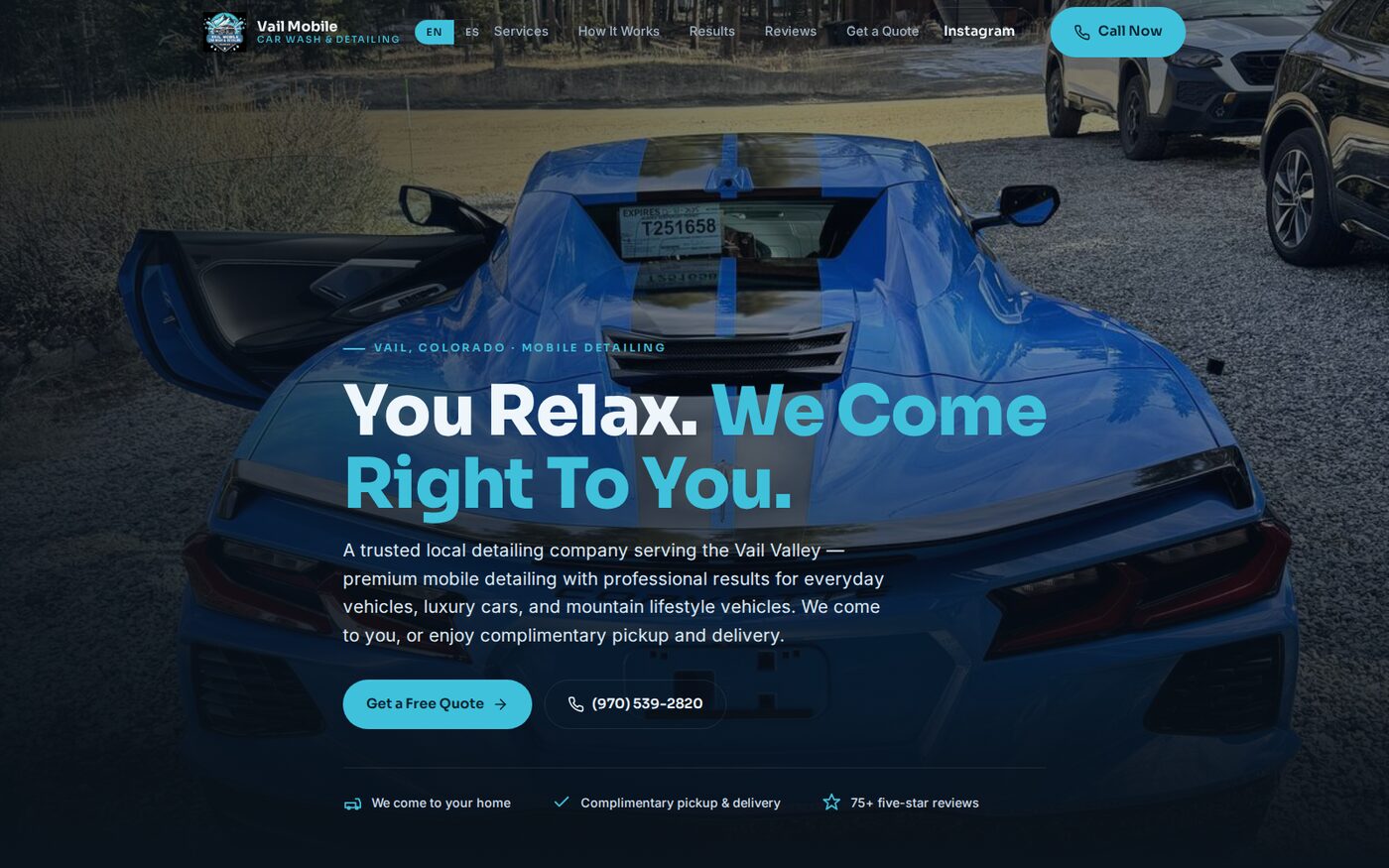
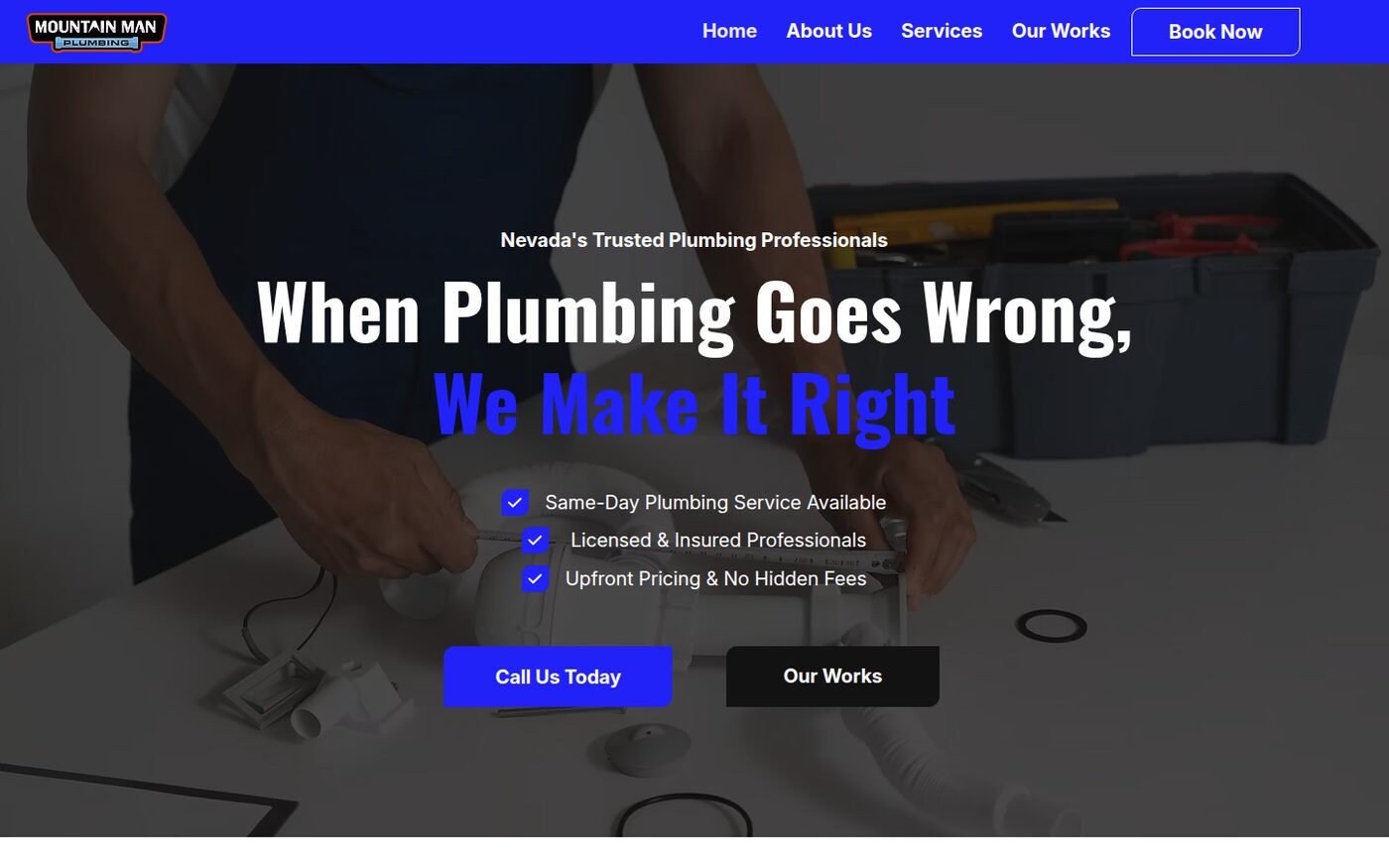
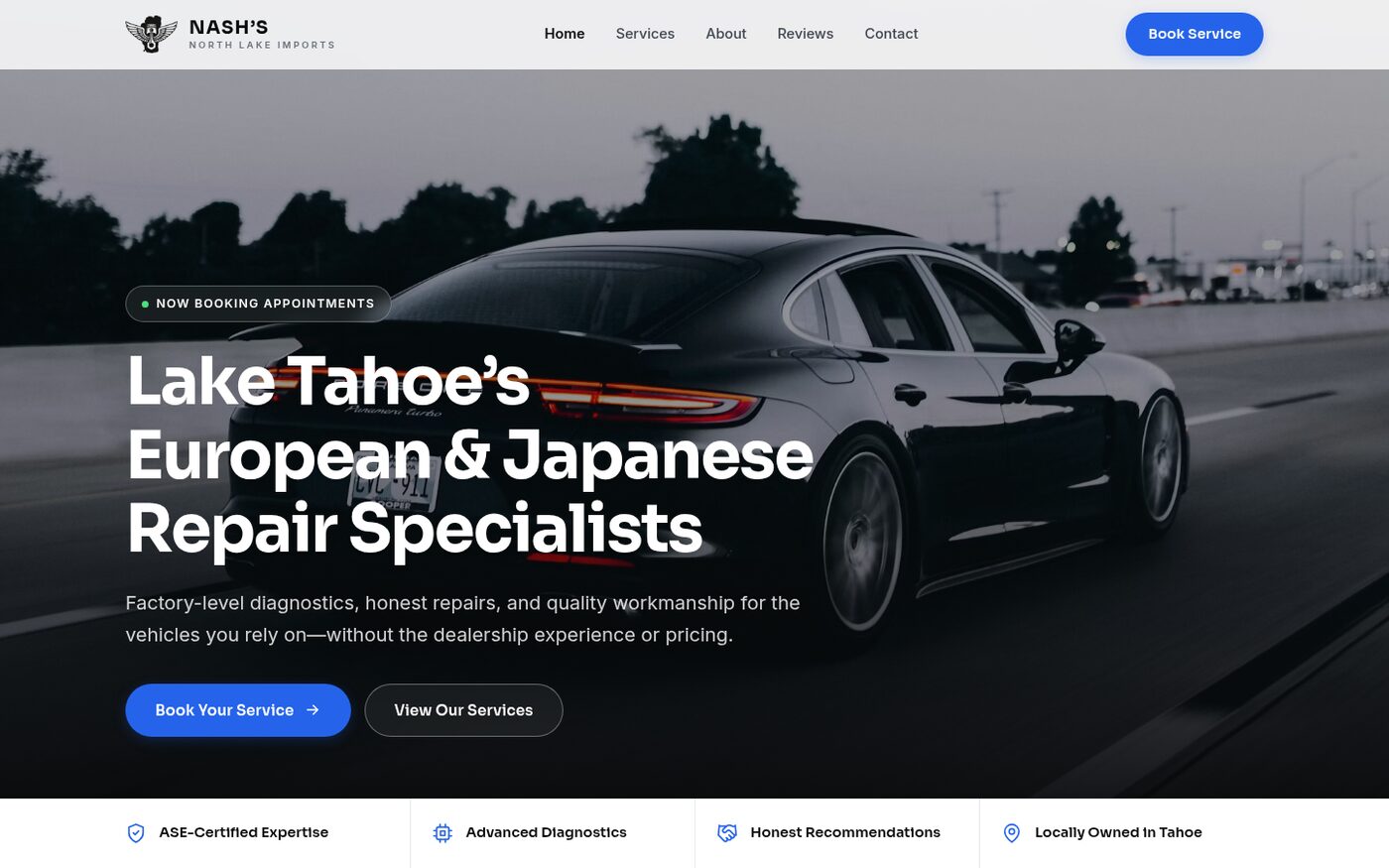
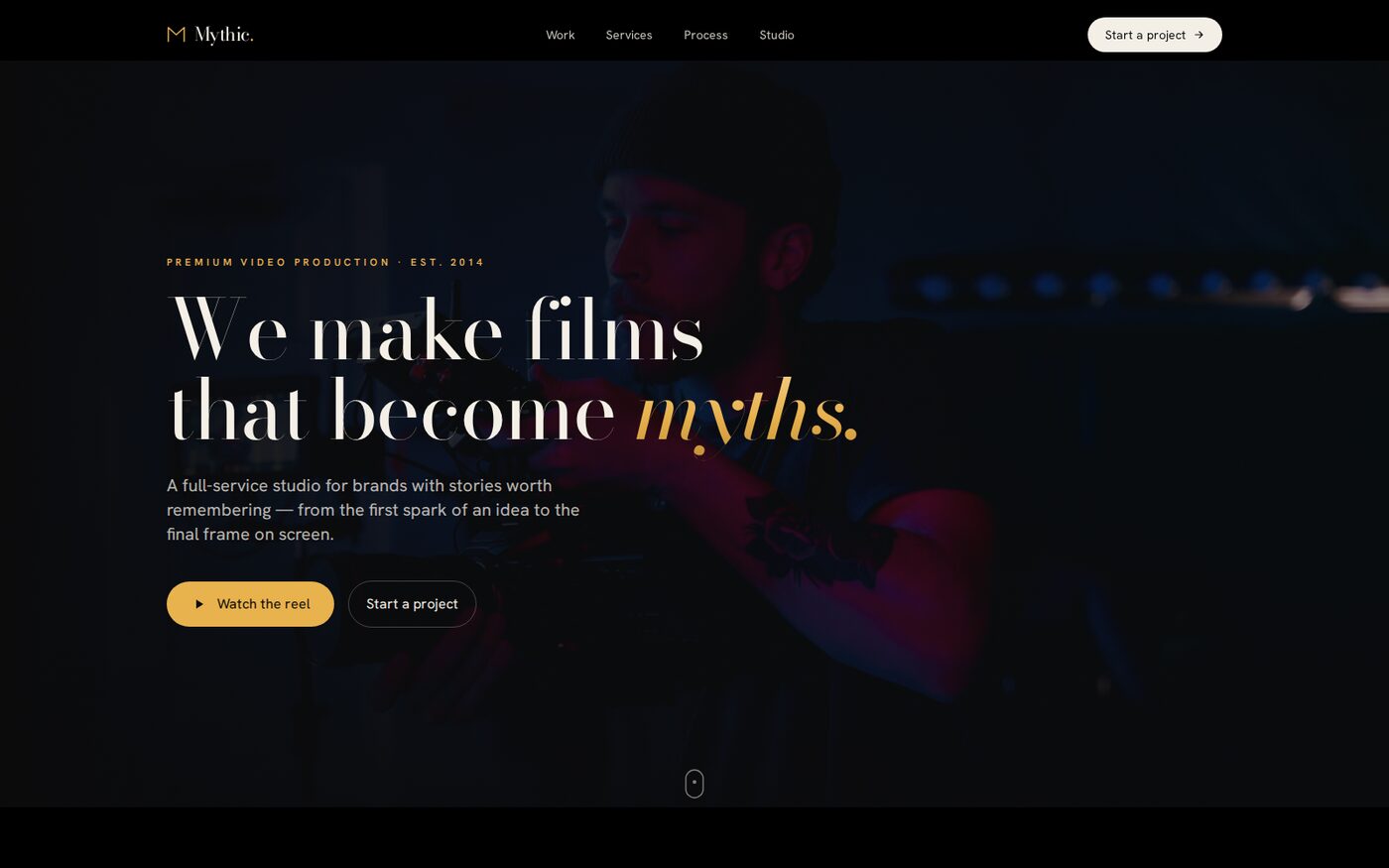
real sites for real businesses. every one from scratch.
( a sample of live client sites )
idaho springs web design questions
Who provides web design for Idaho Springs, Colorado businesses?
Leadflow Collective. We are a web design and local SEO company based in Fraser, Colorado, and we build custom websites and search visibility for businesses along Clear Creek and the I-70 corridor.
Are you based in Idaho Springs?
No. Our address is in Fraser, in Grand County, and we will not invent a local office. We are close enough to meet in person and shoot photography, which is what proximity is actually worth.
How do I get people to stop instead of driving past?
Win the search that happens before they reach you. That means a strong Google Business Profile, a page that loads in about a second, honest hours, and content that answers the exact thing they are searching for.
Signage and location matter, but for most visitors the decision is made on a phone several miles earlier.
Should my menu be a PDF?
No. PDFs are slow to open on phones, awkward to read, and poorly understood by search engines and AI systems. An HTML menu is faster for customers, easier for you to update, and actually gets indexed. This is one of the highest-return changes a restaurant can make.
My business is seasonal. How should the site handle that?
With real seasonal structure rather than two separate websites. One site keeps your search history in one place; well-built seasonal sections let the right offer sit in front of the right visitor without a rebuild.
Can a local business outrank the big activity booking sites?
Not on the broadest terms — those are bought and defended with budgets no small business has. On specific, high-intent searches, yes, regularly. And you win the customer who found you on a marketplace and then searched your name to book direct, which is the most profitable traffic you get.
Do you work with year-round local businesses, not just tourism?
Yes, and that side is often the better opportunity. Trades, repair and professional services here face far less competition online than the visitor businesses, and the work is steadier.
How long does the build take?
Usually a few weeks, with the pace set by photos and content rather than development. If you need it live before a season, tell us the date early and we will be honest about whether it is achievable.
Do you offer local SEO on its own?
We can, but if the site itself is slow or badly structured, SEO work is money spent propping up a structural problem. We will tell you if that is the situation rather than taking a monthly fee to push against it.
along the corridor
Other towns we build for on this stretch of I-70 and over the divide.
Somewhere else in the state? The Colorado web design service area page lists every town we build for.