Leadflow Collective builds websites and local SEO for businesses in Grand Lake, Colorado. We are based in Fraser, in the same county, and we build visitor-focused sites for the lodging, dining, outfitting and retail businesses at the west entrance to Rocky Mountain National Park. The goal is simple: capture people while they are still planning the trip, not after they have already booked somewhere else.
the decision happens before they arrive
Most of the money in Grand Lake is decided somewhere else. A family in Nebraska is picking a cabin in March. A couple in Denver is choosing between a boat rental and a horseback ride on a Wednesday night. By the time anyone is walking the boardwalk, the big purchases are already locked in.
That has a direct consequence for your website: it is not a brochure for people who have found you, it is the sales floor for people who have not. Whatever your site says in February determines what your July looks like.
Which is why the most valuable pages for a Grand Lake business are usually the planning pages — what a day here looks like, what to book ahead, how far it is from the park entrance, when the lake is warm enough, what the weather does in June. Those pages catch people at the research stage. A page that only lists your services catches people who already knew your name.
competing with the park itself for attention
Search results here are dominated by national park content: the Park Service, travel publications, gear blogs, and aggregator listings that outrank every local business on general terms. Trying to rank for the town name against that machinery is not a winnable fight for most small operators.
The winnable fight is intent. Someone searching for the park is dreaming. Someone searching for a specific cabin type, a boat rental with a certain capacity, a guided fishing trip, or a restaurant with a patio has moved from dreaming to buying. Those searches are less glamorous, far less contested, and worth dramatically more.
So we build sites around the things people actually buy, one page at a time, and let the park content have the vague searches. It is a slower-sounding strategy that produces a much better calendar.
a short season punishes a slow website
When your year is compressed into a handful of months, every point of conversion is amplified. A site that loses ten percent of its visitors to a slow load is not losing ten percent of a year — it is losing ten percent of the only window you get.
It also means the site has to be reliable at the exact moment it is under the most load, which is usually the moment nobody has time to fix it. We build lean, static-first pages for that reason: fewer moving parts, fewer plugins, fewer things that can break during the week you cannot afford a broken website.
And it means the maintenance rhythm has to be planned. Prices, seasons, hours, availability and photos all need updating before the season, not during it. We set sites up so the owner can make those changes without calling a developer — and we handle the parts that should never be a business owner's problem.
photography is the product page
For a visitor business, photos are not decoration. They are the specification sheet. The cabin photo decides the booking. The plate photo decides the dinner. The boat photo decides the day.
The most common mistake we see is a mix of one good professional shoot from years ago and a scattering of phone photos taken in bad light, which reads as inconsistency and quietly lowers what people think you charge. The second most common is stock imagery, which visitors spot immediately and locals find insulting.
We build sites around real photography and we size and compress it properly so a page full of large images still loads fast on a phone. If you do not have the images, that is a solvable problem — we are in the county and we can come shoot.
being findable by search engines and ai assistants
The foundations do not change because the town is small: a Google Business Profile with correct categories, seasonal hours and current photos; a website with a genuine page per offering; clean titles and descriptions; internal links; structured data; and reviews that keep arriving.
The newer layer is AI answers. People now ask an assistant to plan the trip — where to stay near the west entrance, what to do with kids on a rainy afternoon, which restaurants are open in shoulder season. Those systems read websites and summarize. If your hours, location, offerings and prices are only implied by pictures, you will be left out of the summary entirely.
Making yourself quotable is mostly about stating things directly. What you are, where you are, what you sell, when you are open, what it costs in general terms, and answers to the questions people genuinely ask. In clean HTML, with headings that describe their content, and structured data that agrees with the page. That is how we build, and it is the only honest version of AI optimization — nobody can promise you a recommendation.
the grand lake businesses this suits
What we can build here. Not a claim about clients we already have in this town.
Cabins, lodges & vacation rentals
Room-by-room photography, honest availability, and a direct booking request that competes with the aggregators.
Boat & watercraft rental
Fleet pages with capacity, pricing structure and reservation requests that work from a phone in a car.
Guides, fishing & horseback
One page per trip, with season, duration, difficulty and what to bring, answered before anyone has to ask.
Restaurants & boardwalk retail
Real HTML menus, accurate seasonal hours, and pages that load before a hungry family gives up.
Snowmobile & winter recreation
Winter offerings given their own real estate instead of being buried under the summer business.
Property management & caretaking
Two audiences on one site: owners deciding who to trust, and guests who need answers immediately.
real sites for real businesses. every one from scratch.
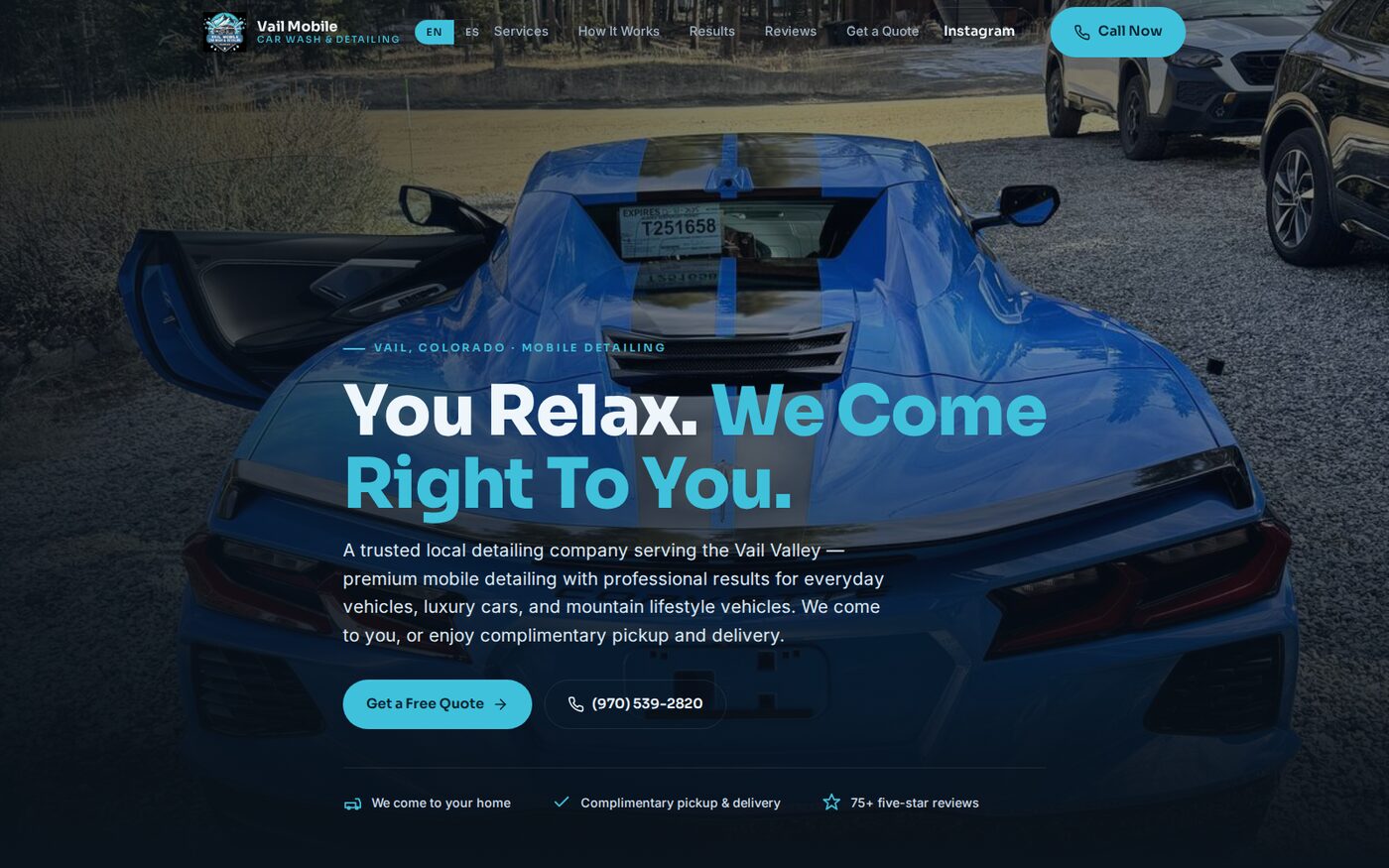
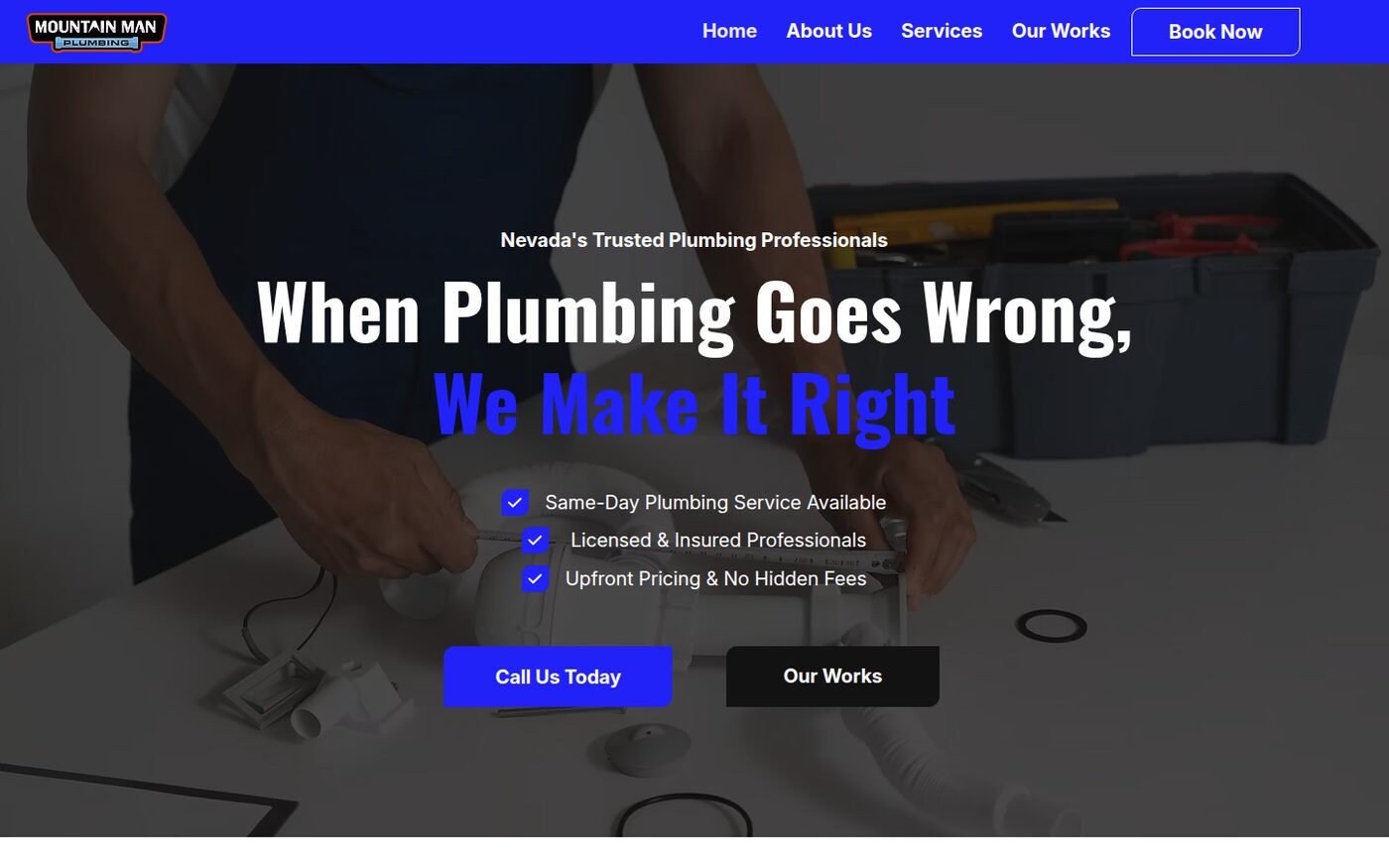
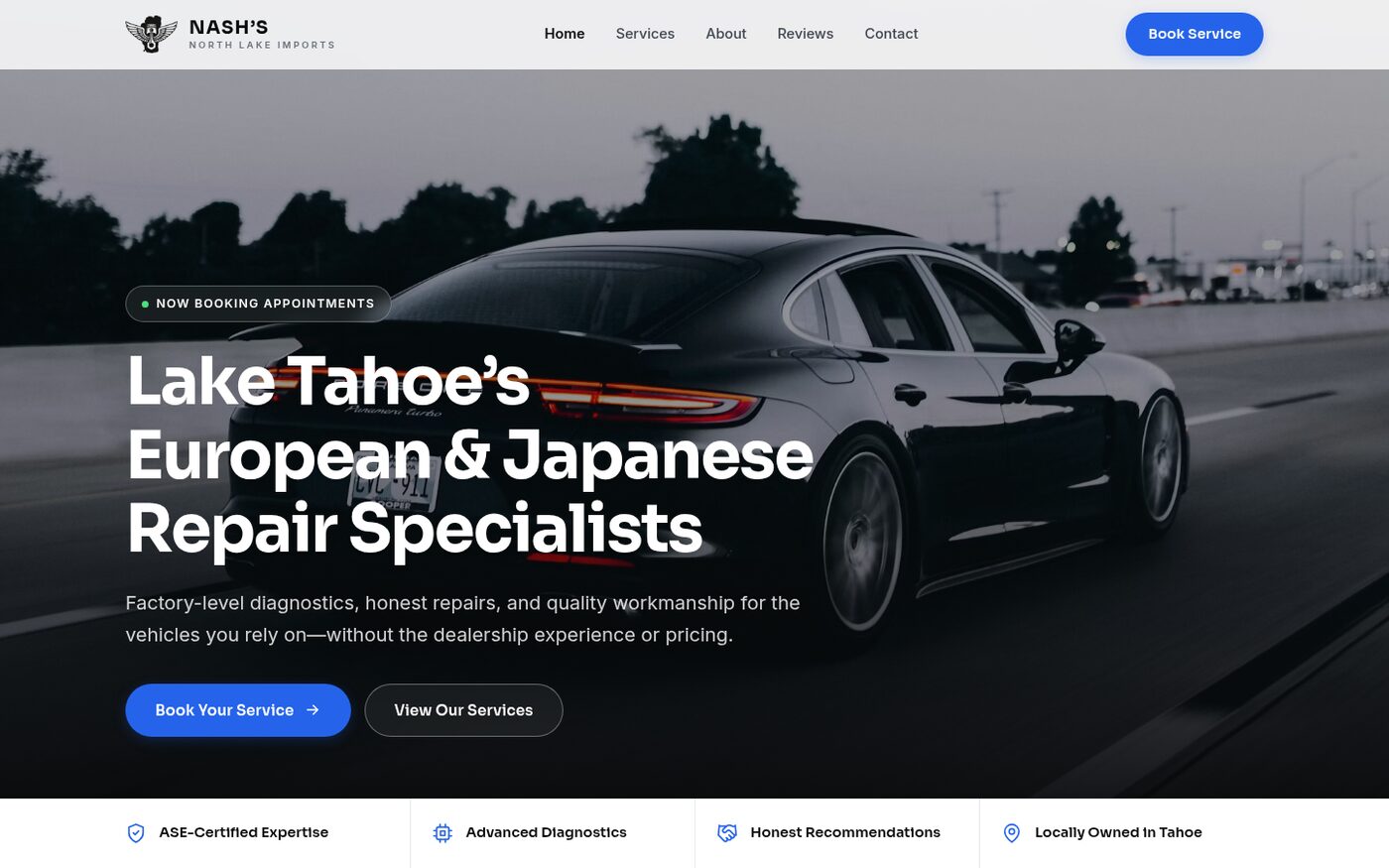
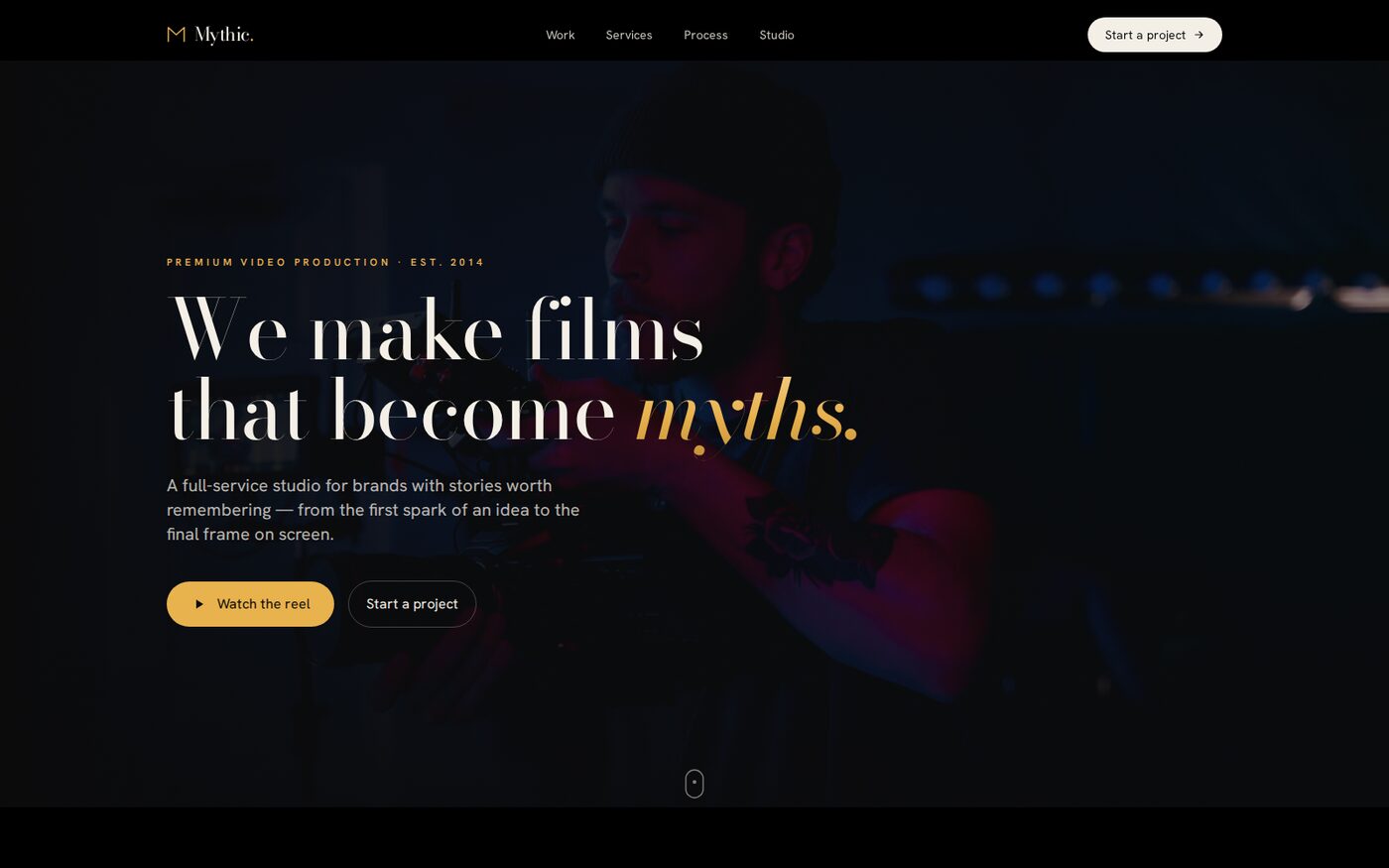
( live client sites — visitor businesses included )
websites
Photography-led, fast-loading sites built for people planning a trip from three states away.
lead generation
Direct booking and inquiry paths that keep the reservation — and the commission — on your side.
local seo
Specific, high-intent pages instead of an unwinnable fight with national park travel content.
ai automations
Instant replies and missed-call textback for the season when nobody has a free hand.
grand lake web design questions
Who does web design for Grand Lake, Colorado businesses?
Leadflow Collective. We are a web design and local SEO company based in Fraser, in the same county, and we build custom websites for Grand Lake lodging, dining, rental and guide businesses.
Are you based in Grand Lake?
No. We are in Fraser, roughly forty minutes away over US 40. Same county, same weather, same seasonal calendar — but we are not going to pretend to a Grand Lake address we do not have.
Can a website really pull bookings away from the big travel sites?
It can capture a meaningful share of them, and the ones it captures are worth more because you keep the full amount. The listing sites will always win the broad searches; that is what their budgets are for.
What a good site wins is the guest who found you on an aggregator, then searched your name to book direct. That customer is already sold. Losing them to a bad website is the most expensive mistake in hospitality.
When should I have a new site ready?
Well before the season, not at the start of it. Search visibility builds slowly, so pages published in the quiet months have time to be indexed and gain traction before demand arrives. Launching in June means missing the planning window that decides June.
I only have phone photos. Is that a problem?
It is fixable. Photography drives more bookings than almost anything else on the page, so it is worth doing properly once. We are in the county and can come shoot the property, the boats, the plates or the trips.
Should my winter business have its own website?
No. Two sites split your authority and double the work. One site with well-built seasonal sections keeps everything in one place and lets both halves of the business benefit from the other's search history.
Do you handle online booking?
We integrate with the booking or reservation platform you already use rather than forcing a migration. If the system is genuinely limiting you we will say so, but changing platforms is your decision, not a condition of working with us.
Can you help my business show up in AI trip planning answers?
We build so assistants can read you accurately: plain statements of what you offer, where you are, when you are open and what it costs in general terms, in crawlable HTML with matching structured data. That is what gets a business quoted. Nobody can guarantee a mention, and we will not claim to.
around the county
Other Grand County towns and the corridor south.
Somewhere else in the state? The Colorado web design service area page lists every town we build for.