Leadflow Collective provides web design, local SEO and lead generation for businesses in Georgetown, Colorado. We are based in Fraser, over the divide in Grand County, and we build sites for the shops, lodging, restaurants, trades and tour operators in Georgetown and the Clear Creek corridor. The work is aimed at capturing visitor intent before people reach the exit.
heritage is your advantage, not your design constraint
Georgetown has something most Colorado towns would pay enormous money for: a genuinely preserved nineteenth-century townscape that people drive out from Denver specifically to see. That is a real, durable competitive advantage for the businesses inside it.
The mistake we see repeatedly is translating that heritage into the website as literal pastiche — ornate script typefaces, sepia backgrounds, parchment textures, a layout that looks like a museum placard. It reads as dated rather than historic, and it usually comes packaged with the slow, clunky technical build that dated sites tend to have.
The version that works is modern craft in service of the history: excellent photography of the actual buildings and streets, generous typography, fast loading, and content that tells the story properly. Visitors are drawn by the past. They still judge the website by present-day standards, and they book with whoever makes it easiest.
capturing the day-trip decision
A large share of Georgetown's visitor economy is decided the night before or the morning of. Someone in the metro has a free Saturday and is choosing between the mountains, a brewery, or staying home. They search for things to do, day trips from Denver, or a specific attraction, and a plan assembles itself from the first three or four pages they read.
Businesses that show up in that research window get the day. Businesses that only appear once someone is already walking Sixth Street get whatever is left.
Practically, that means the highest-value pages you can build are not your service pages — they are the planning pages. What a day here looks like. What is open in winter. Where to park. How long things take. Whether it is worth bringing kids. Those pages attract people at the exact moment the plan is forming, and they hand the visit to whoever wrote them.
the two seasons nobody plans a website around
Georgetown's year is not evenly distributed, and the shape of it is specific: strong summer visitation, a distinct autumn draw, a holiday season with its own character, and a quiet winter where the businesses that survive are serving locals, the corridor, and whoever is coming through on I-70.
A site that presents the business as one unchanging thing forces you to explain the current reality over the phone all year. A site with real seasonal structure does that work for you: what is running now, what is closed, what is coming.
The timing discipline matters too. Search visibility builds slowly, so content aimed at the summer should be live and indexed in the spring, and holiday content should be published well before anyone is thinking about it. Most small businesses publish the week they need it, which is the week it is worth the least.
local seo when your competition is a tourist board
Broad searches about Georgetown are dominated by tourism sites, travel publications, listicles and state-level promotion. That content is well-linked, well-funded and hard to displace, and chasing it directly is usually wasted effort for a small business.
The winnable ground is specific. Searches for a particular kind of lodging, a specific service, a particular experience, or a problem someone needs solved. Those searches convert far better and face a fraction of the competition.
Underneath that, the foundations still have to be right: a Google Business Profile with correct categories and current seasonal hours, consistent business details everywhere they appear, individual pages for individual offerings, fast loading, internal links that connect the pages sensibly, and structured data that describes the business accurately. None of it guarantees a ranking — nothing does — but the absence of it guarantees the ceiling.
writing so people and machines both get the story
There is a version of Georgetown that exists inside AI assistants, and it is being assembled right now from whatever those systems can read. When someone asks for the best place to eat in Georgetown, or where to stay near the Loop, the answer comes from pages that stated things clearly.
This is genuinely winnable for a small business because most local competitors have published almost nothing a machine can use. Their hours are in an image. Their menu is a PDF. Their story is a paragraph of adjectives with no facts in it.
We build the opposite: plain statements of what the business is and where, services and offerings broken out and named, real questions answered directly, clean HTML that does not require JavaScript to read, and structured data that agrees with the visible page. That is the whole method. No one can promise you a mention in an AI answer, but the businesses that get mentioned are almost always the ones that made themselves easy to quote.
who this works for in georgetown
The businesses this approach fits. It describes the work, not a list of clients we already have here.
Lodging & historic inns
Photography-led room pages and direct booking that keeps the aggregator's commission with you.
Restaurants & cafes
Menus in real HTML, hours that are actually current, and a page that loads on a busy Saturday.
Retail & galleries
Pages that make a browsing visitor decide to walk in, plus a reason to buy after they get home.
Tours & attractions
Times, durations, accessibility and what to expect, answered before anyone has to call.
Trades & property services
Clear service areas up and down the canyon and an honest emergency policy.
Outdoor recreation
Access, seasons and conditions written for people driving up from the metro without local knowledge.
websites
Modern, fast builds that let the historic district do the selling instead of fighting it with fake parchment.
lead generation
Booking requests, reservations and enquiries captured while someone is still planning the trip.
local seo
Specific, winnable searches instead of a doomed fight with the tourism publishers.
ai automations
Instant replies and missed-call textback for weekends when nobody is at a desk.
georgetown web design questions
Who builds websites for Georgetown, Colorado businesses?
Leadflow Collective. We are a web design and local SEO company based in Fraser, over the divide in Grand County, and we build for businesses in Georgetown and the Clear Creek corridor.
Do you have an office in Georgetown?
No. Our only office is in Fraser, and we are not going to invent a local address. We are close enough to come to you, shoot photography and meet in person, which is the part that has actual value.
Should my site look old-fashioned to match the town?
Almost never. Visitors come for the history and then judge your website by the same standards they judge every other website. Antique styling usually reads as neglect rather than heritage.
What works is modern, fast design with outstanding photography of the real buildings and the real work. Let the town supply the character.
Most of my customers come from Denver. How does that change the site?
It makes the planning content far more valuable than the sales content. Someone deciding on a Saturday needs drive times, parking, hours, duration and whether it suits their group. Answer those and you win the day before anyone leaves the house.
How much does a website cost?
We quote after a conversation rather than posting a number, because scope varies enormously. What we can say is that we would rather build you a tight, excellent small site than an oversized one you will not maintain.
Can you help with Google Business Profile as well?
Yes, and for a visitor-facing business it is often the highest-return work we do. Correct categories, accurate seasonal hours, current photos and a steady flow of reviews frequently move more traffic than the website itself.
What about showing up in AI answers and Google's AI Overviews?
We build so those systems can read you accurately: plain factual statements, structured offerings, genuine question-and-answer content, crawlable HTML and matching structured data. That is the honest version. Nobody can guarantee a mention.
Can you keep my existing site and just fix the problems?
Sometimes. If the underlying build is sound, targeted fixes are cheaper and smarter. If it is a heavy page-builder site that is slow by design, rebuilding usually costs less than fighting it. We will tell you which one you have before you spend anything.
How long does a build take?
Typically a few weeks. The limiting factor is usually gathering photos and content, not the building. If you need to launch before a season, say so early and we will be straight about whether it is realistic.
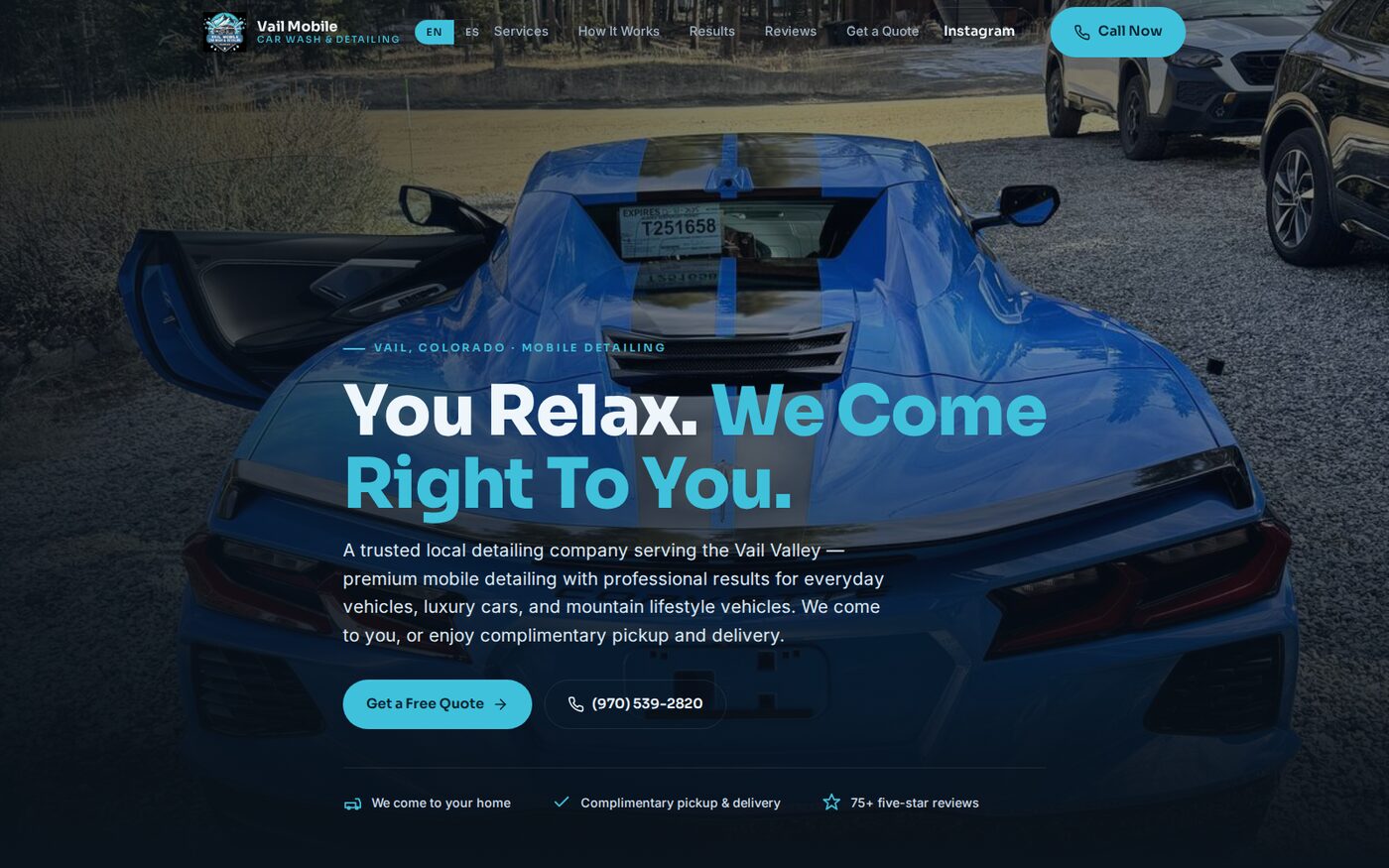
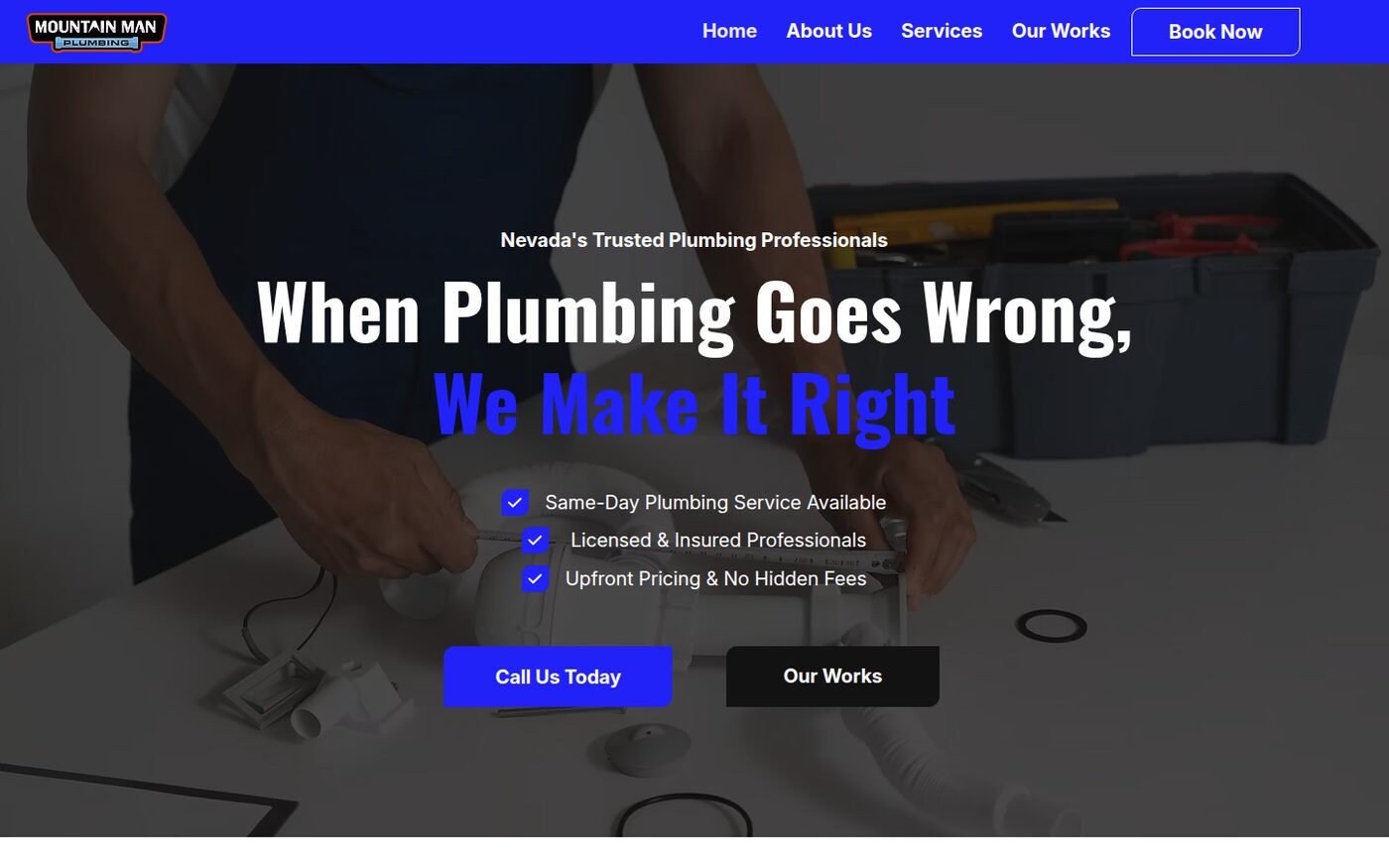
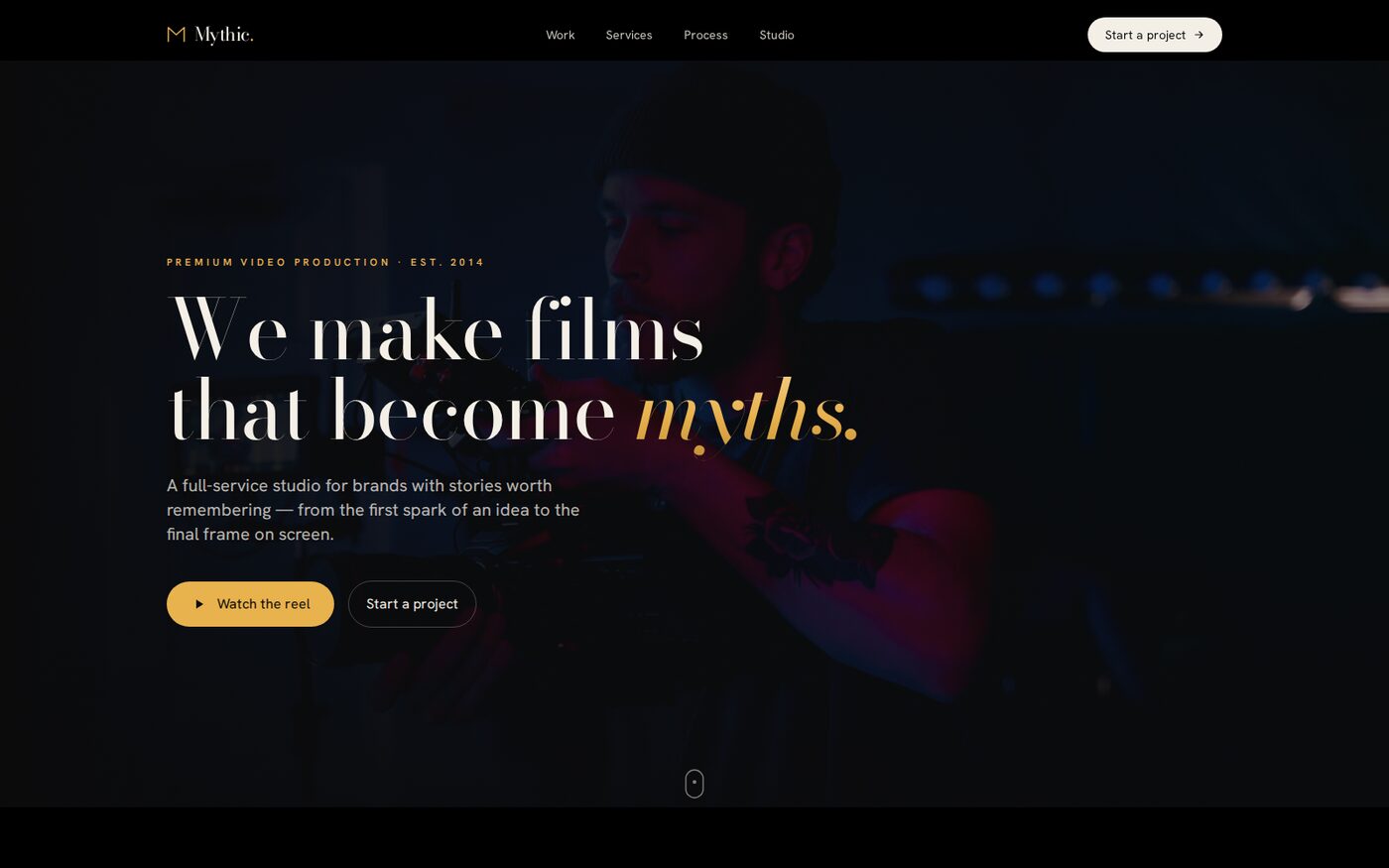
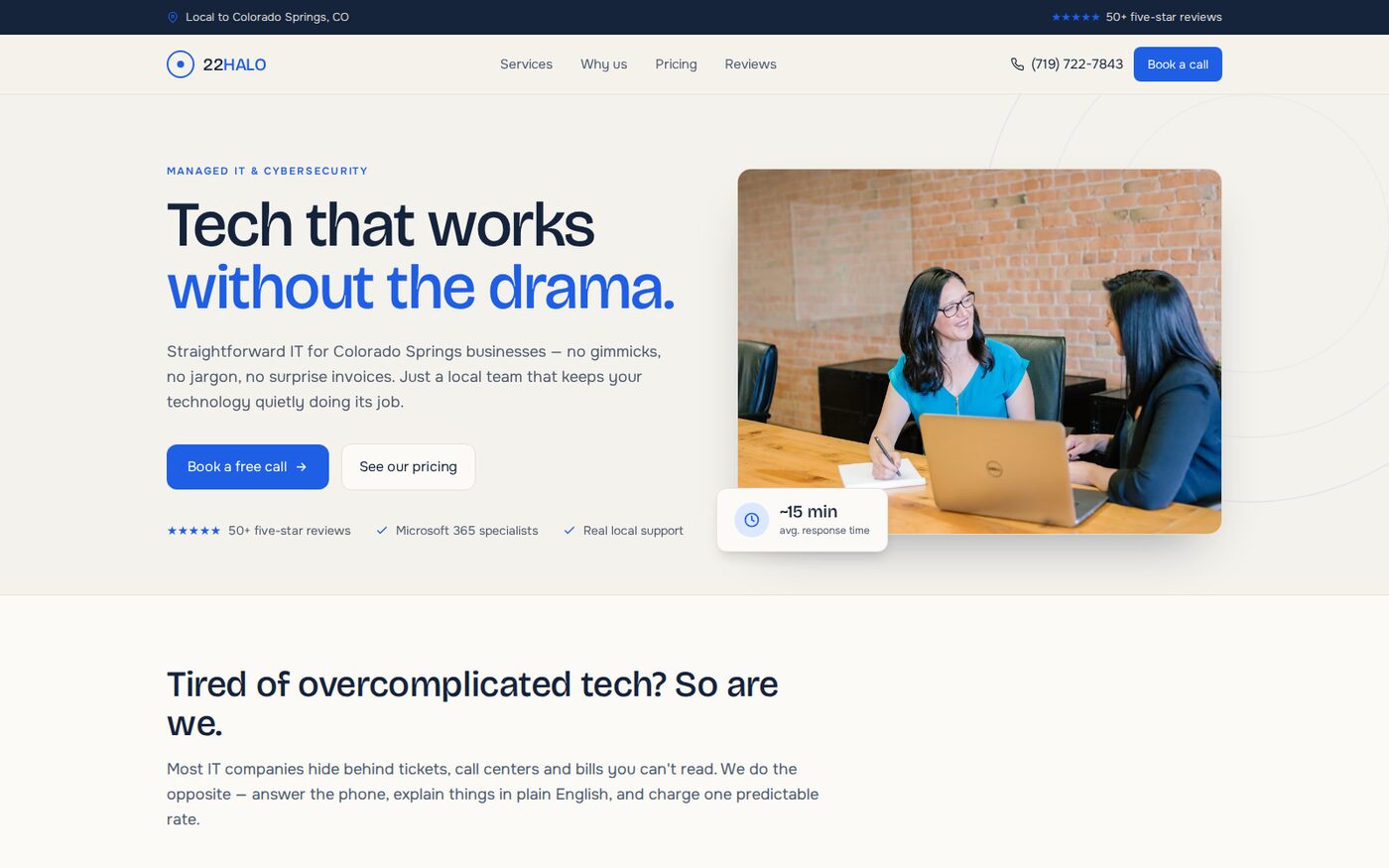
real sites for real businesses. every one from scratch.
( live client work — a sample, not the whole list )

up and down clear creek
The corridor towns and the communities on either side of the divide.
Somewhere else in the state? The Colorado web design service area page lists every town we build for.