Leadflow Collective builds websites and local SEO for businesses in Red Cliff, Colorado. We are a mountain-town studio based in Fraser. Because Red Cliff is very small and easily missed from the highway above it, sites here are built to be found by people searching the wider Eagle valley and the US 24 corridor rather than the town name.
the visibility problem is literal
Red Cliff sits below a highway that most people cross at speed without realizing there is a town underneath. That is an unusual marketing situation: the traffic is enormous and the awareness is close to zero.
A website cannot fix a sightline, but it can fix the discovery. People searching for food, lodging, a stop, or something to do in this stretch of US 24 are findable, and almost nobody is targeting them specifically.
The most useful content a business here can publish is orientation: where you are relative to the bridge and the highway, how to get down, how long it takes, and why it is worth doing. Those sentences do more work than any amount of design.
small and old is a position, if you state it
Historic character in a canyon town is genuinely scarce and genuinely valuable to a certain kind of visitor — the one who has already seen the resorts and wants somewhere that was not built for them.
That audience responds to specifics rather than adjectives. What the buildings were. How long things have been here. What is actually made or served. Why the town looks the way it does.
Those details also make excellent search and AI content, because they are unique to you and verifiable. Generic charm language is invisible to both humans and machines; concrete facts are not.
the wider valley is your real market
Businesses here do not survive on a town of this size. The customers come from up and down the valley, from the pass, and from the through traffic.
So the site has to be built for that radius. Name the communities you serve. State the drive times honestly. Set your Google Business Profile service area to reflect where your customers actually come from.
Search engines already treat the Eagle valley as a connected market, which works in your favour: a small business with a well-built site can be found by customers throughout it.
a four-page site done properly
A business at this scale does not need a large website and should not pay for one. It needs a handful of pages that load instantly, say something specific and make contact effortless.
Small sites also stay accurate, which matters more than size. The commonest failure we see in small towns is a business paying for a big site once and then abandoning it, so within two years it is slow, wrong and actively costing them customers.
Fewer, better pages. Updated when things change. That is the entire recommendation, and it is cheaper than what most agencies would try to sell you.
the fundamentals, which are most of the work at this size
Claim and maintain a Google Business Profile with the right category, honest hours and current photography — for a business this small it will very likely drive more contact than the website.
Keep your business details identical everywhere they appear. Build a real page for each thing you sell. Keep pages fast, because canyon connections are not generous. Add structured data stating what the business is and where.
Then ask for reviews consistently. Nobody controls rankings and nobody should promise them, but in a market where most competitors have done none of this, doing it properly is a genuine advantage.
being findable when someone asks an assistant
People planning a drive over the pass or looking for somewhere unusual increasingly ask an AI assistant. Those answers are built from readable web content, and there is very little of it about towns this size.
Publishing plain facts — what you do, where you are, how to get there, when you are open, what it costs in general terms — puts you ahead of nearly everyone in the same geography, because nearly everyone has published nothing.
We build every page that way as a matter of course. No promises about what any system will say, because nobody can make one honestly. But being unreadable is a choice, and it is the easiest one to reverse.
websites
A few excellent pages that make a tiny operation findable from a highway it cannot be seen from.
lead generation
One obvious next step, reachable in a tap on a canyon connection.
local seo
Valley and corridor targeting, because a town this size has no search volume of its own.
ai automations
Automatic replies so an enquiry does not sit unanswered while you are out of signal.
what we can build here
Business types this suits in and around Red Cliff. Capability, not a claimed client list.
Food, bars & small hospitality
Orientation, honest hours and a menu in real HTML that loads on a canyon signal.
Lodging & cabins
Real photography and a direct enquiry path for people wanting somewhere genuinely different.
Outdoor recreation & guiding
Access, seasons and conditions written for people driving over the pass without local knowledge.
Trades & property services
A stated service radius up and down the valley, which is where the work actually is.
Makers & artisans
Work shown properly, with a way to buy long after the drive is over.
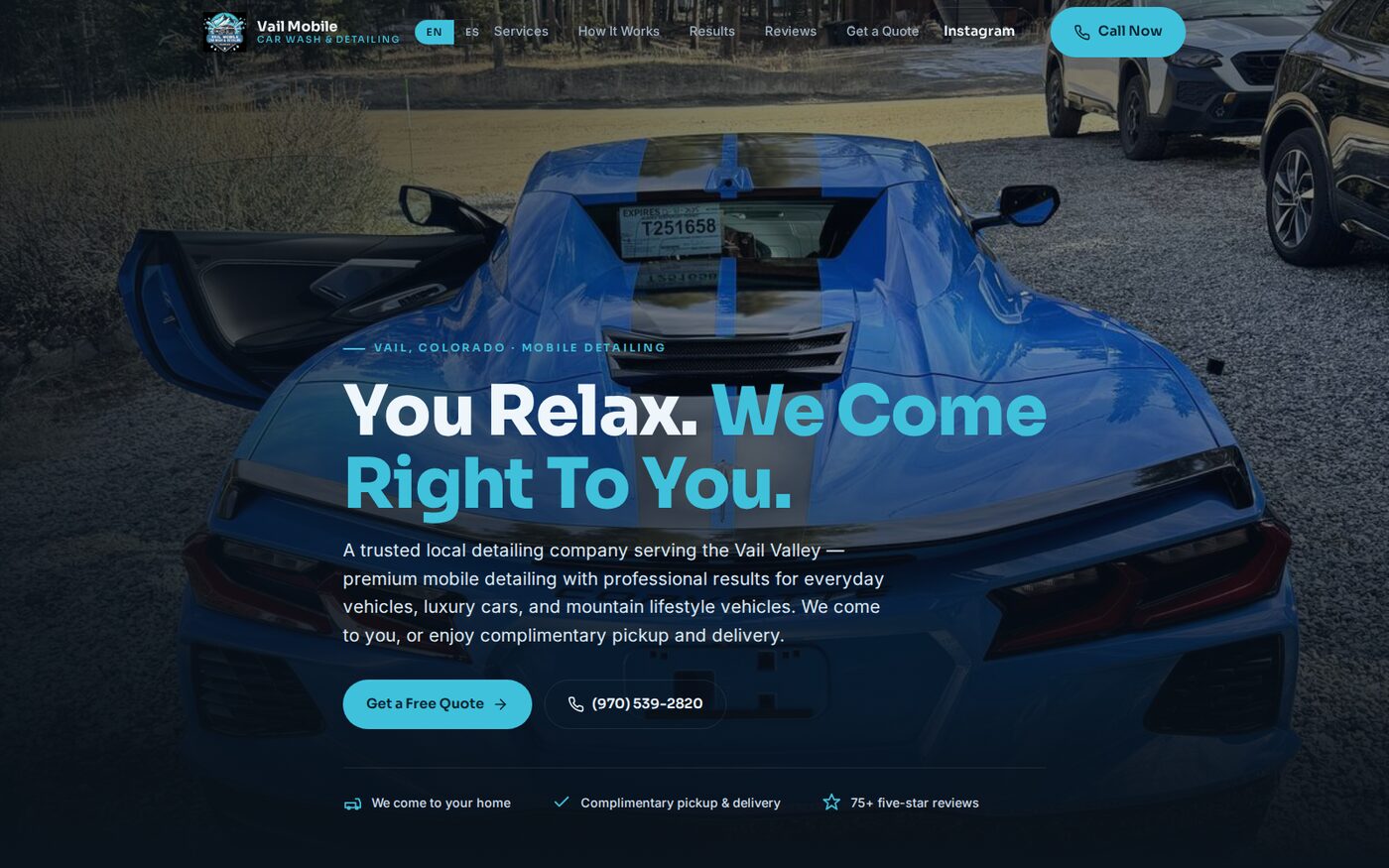
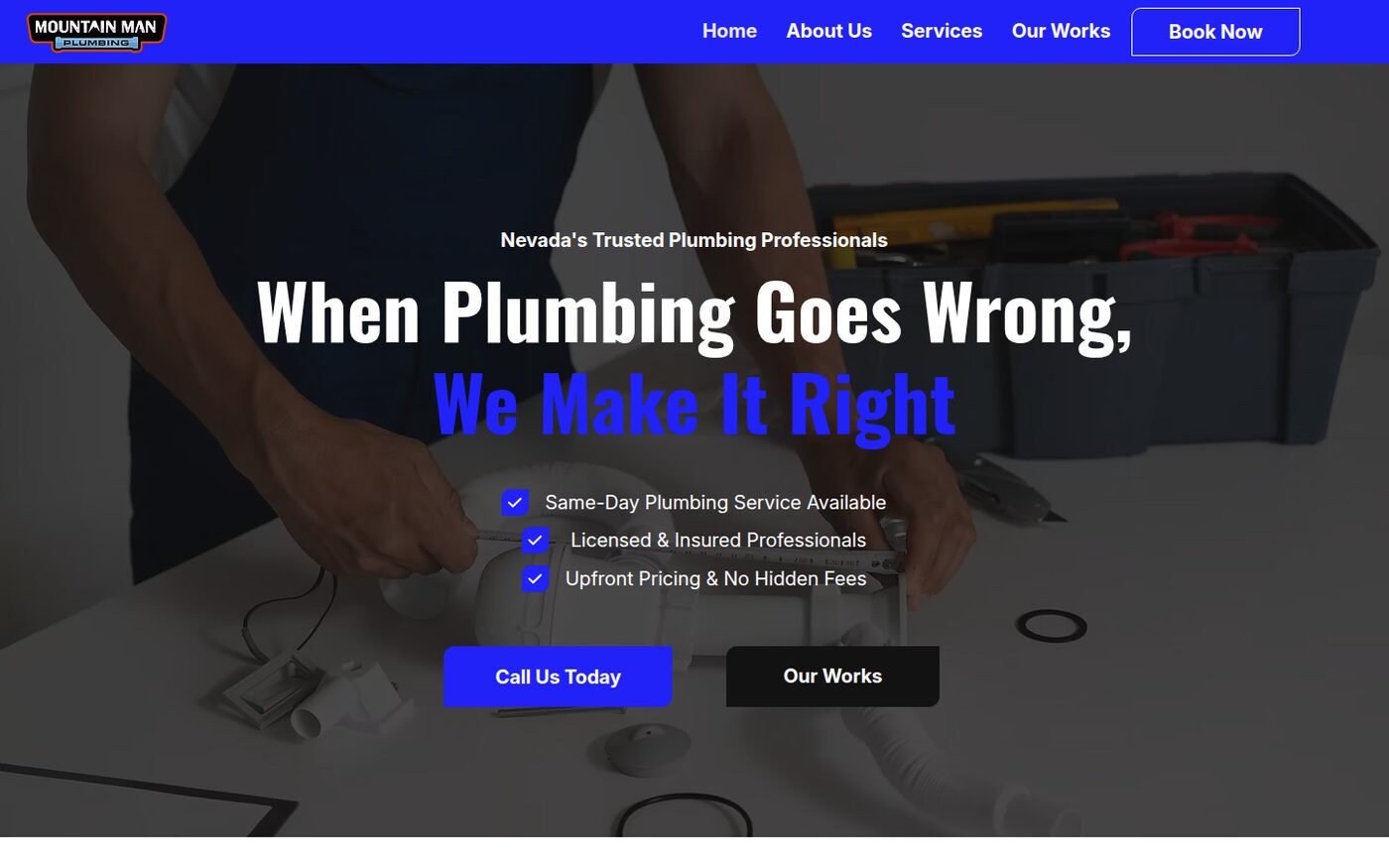
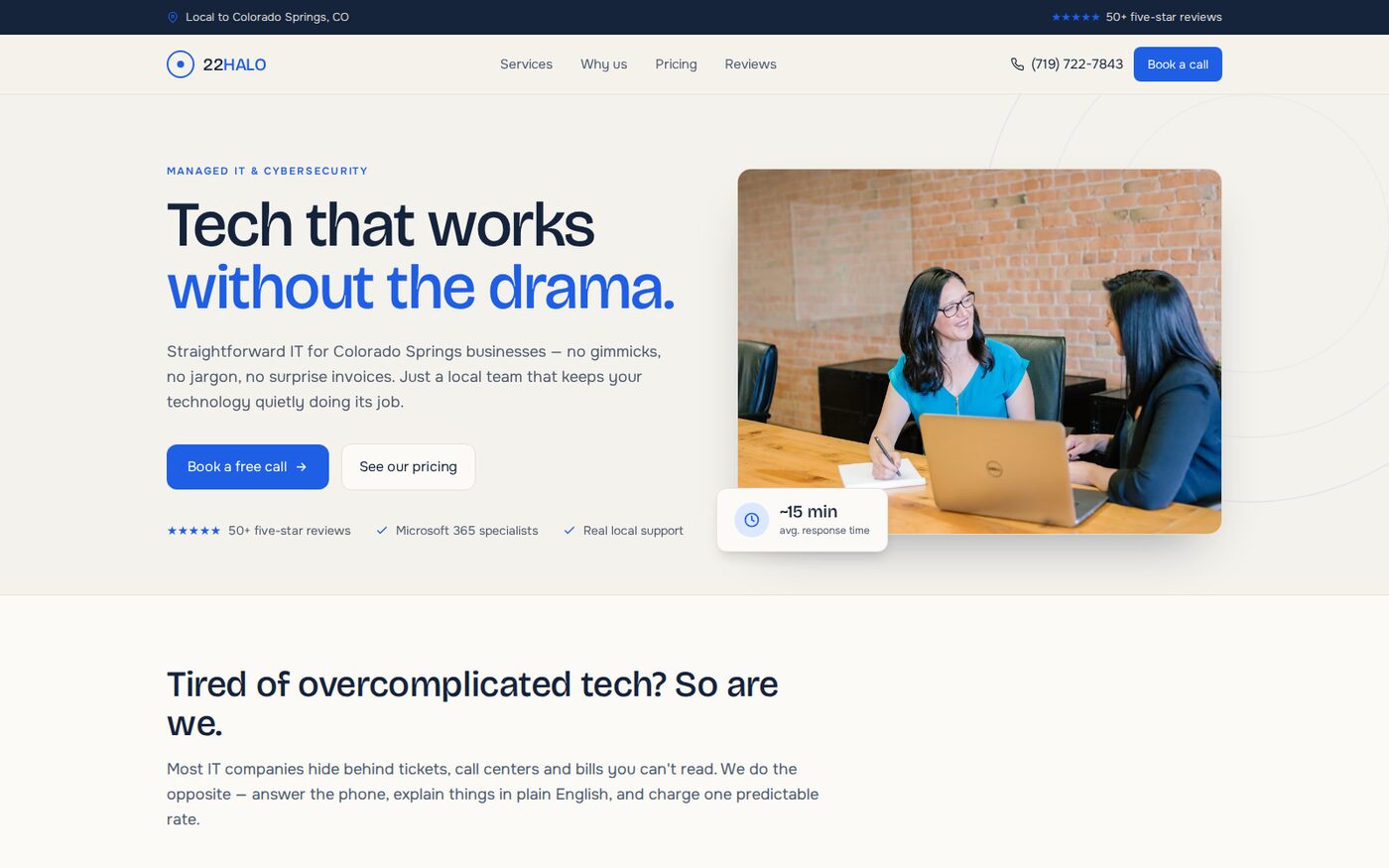
real sites for real businesses. every one from scratch.
( live client sites — same approach, larger towns )


red cliff web design questions
Does Leadflow Collective work with Red Cliff businesses?
Yes. We are a mountain-town web design and local SEO studio based in Fraser, and we build small, fast sites for businesses in Red Cliff and the Eagle River valley.
Nobody knows the town is here. Can a website fix that?
It can fix the discovery even if it cannot fix the sightline. People searching for food, lodging or something to do along this stretch are findable, and almost nobody targets them specifically.
The single most useful page is orientation: where you are relative to the highway, how to get down, and why it is worth the detour.
How big should the site be?
Four or five pages, done properly. Small sites load faster, stay current and concentrate whatever search authority you have. A large abandoned site is worse than a small maintained one.
Should I target the town name?
Not as a strategy. There is almost no volume behind it. Target your services across the valley and the corridor instead, with the town stated clearly as your location.
Will it load on the connection down here?
That is a requirement rather than an optimization. We hand-build lean pages so they render quickly on a weak signal.
How much should I spend?
Less than you would be quoted by an agency selling a standard package. If a call ends with us saying your money is better spent on photography and reviews, that is a legitimate outcome.
Do you handle hosting and maintenance?
Yes, so the site stays online and accurate. You send us changes rather than dealing with an admin panel.
over the pass and down the valley
Nearby markets we also build for.
Somewhere else in the state? The Colorado web design service area page lists every town we build for.